
Behind every successful marketing strategy is the clever use of psychology. Marketers try to tap into the minds of potential customers to see what is be the best way to get them to buy and support your brand. A very powerful way to get people to notice your brand and to get them invested into its by using the power of reciprocity.* *
So, “what is reciprocity”? In his book Influence: The Psychology of Persuasion by Dr Robert B. Cialdini, He sets out six principles of persuasion. These principles include reciprocity, commitment, social proof, authority, liking, and scarcity. These use psychological triggers that win sales and influence customers.
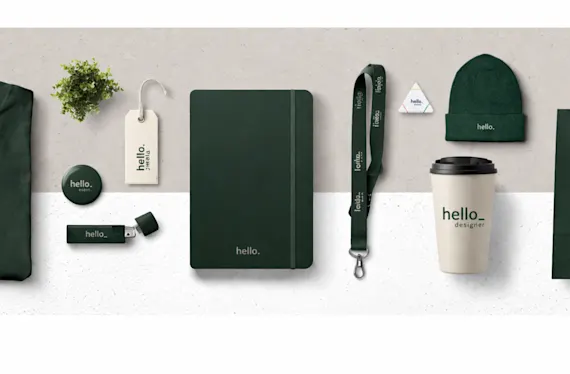
The first principle, reciprocity, states that we are wired to return favours and pay back debts. We get this sense of obligation to give back to the person or institution that gave us something beneficial to our daily lives. When an existing or potential customer, for example, receives a simple branded gift, they appreciate the gesture and in return will be inclined to buy something from you in return.
Marketers also see reciprocity as a powerful tool in building a business' client base. It can help facilitate a stronger, deeper, and longer-lasting relationship with customers and clients. This is one of the reasons why businesses give functional corporate gifts during trade fairs and marketing events. Not only do they want you to remember their brand when you use their free umbrella or tote bag, but they also want to nudge you into buying something from them as a show of thanks.
Giveaways aren't the only way to get customers to reciprocate. Good service can also influence to give something back in return. In restaurants, one of the most common reciprocity examples in business is by giving diners a free appetizer or a jug of water as they sit down at their table. This simple gesture can make customers feel special and cared for. Their good experience may lead to either leave a big tip, regular patrons, or even leave a great review online.
Here are some tips you can use in unlocking the power of reciprocity even better:
Make customers feel special. Make them feel like your offer is extended individually. You can do this by offering a gift or benefit that is relevant to them or by giving them an offer that best suits them through a deal or compromise. The personalisation of that gift or offer can make a huge difference.
Give gifts that add value to the lives of the customers. Consider something that will benefit their lives on a daily basis such as a branded t-shirt, branded tote bag, or even hand towels with an embroidered logo.
Give customers different avenues to reciprocate. If you managed to influence a customer to buy something from you, present them with different options. Your customer might not be down to buying your featured product. Try offering them something you think they'd be interested in more. By providing them options, you've increased the chance of them purchasing a product or two.
Be the first to give. Take the initiative to show your thanks by giving your customers something free. Don't wait for them to ask you if they could have some giveaways. Don't be afraid to be the first to reach out. Giving without having to be asked guarantees a more sincere response.
Keep the reciprocation going. Once the customer has reciprocated your offer by buying your products or availing your services, continue on building that relationship. You can offer them a loyalty card or a special offer every time they go to your shop. Don’t just stop when you got what you wanted.